


What Are the Key Responsibilities of a Specialist Support Coordinator?
Aug 20, 2025
Previous Post

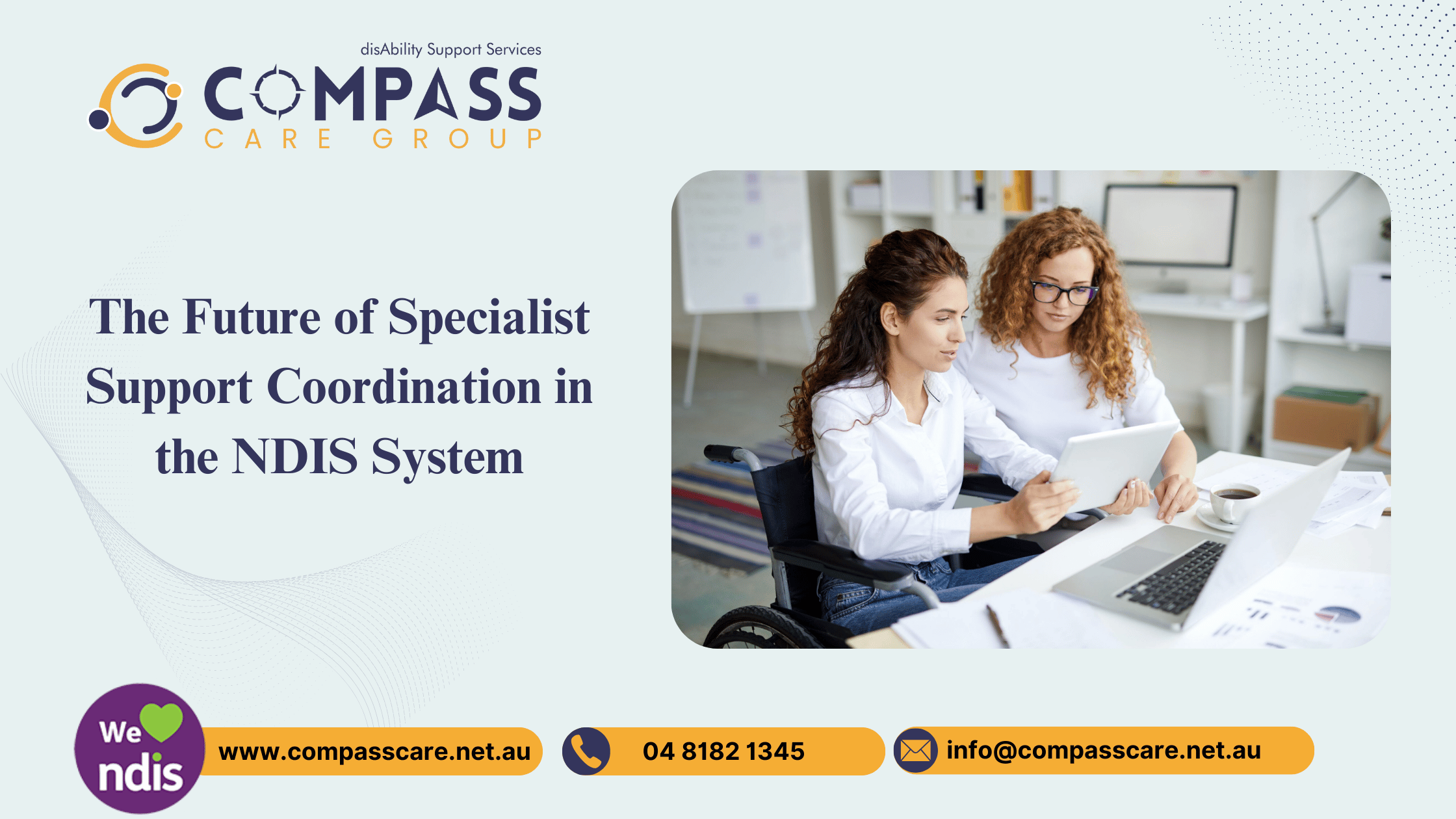
The NDIS can be a tricky world to navigate. This means that participants often find it hard to get by. But this will not be the case if they know the different roles of the support systems available to them. For example, the NDIS have made support coordinators available for people with disabilities. These are experts that guide them on how to use their NDIS plans. Then again, there are even more qualified experts that perform more difficult roles. These are known as the Specialist support coordinators. In this post, we understand the meaning of the Specialist support coordination, its importance, and what it may look like in the future.
Specialist support coordination involves the process of helping people with disabilities handle complex tasks. This is really needed in situations when the support coordination might be adequate. The specialist support coordination is a special kind of help that is given to people who have bigger challenges to handle. This type of support system is needed in cases where the person may have serious mental health challenges, housing problems, not having anybody to help, or the fact that they may need several services at once. This service is available in Perth. A Specialist support coordination Perth helps you with a lot of tasks. They are trained to work with very complicated situations and help you navigate very difficult conditions.
If you are living in Perth with a disability, you may need some type of support. This is even more urgent if you live alone. Most people in this condition usually don’t know how to get the help that they need. In this case, they can easily become stressed out. They may get a regular support coordinator to try to help them but at this point, their needs are just too complex. In this case, they will need to get a Specialist support coordinator who knows just how to help them.
In Perth, today the NDIS can give you access to specialist support coordination only if you are caught up in the most complex and risky situations. This is how this works:
In Perth, the Specialist support coordination have a likely future that looks like this:
Currently, only a very small number of people are able to access the specialist support coordination services. In the future, the NDIS might allow more people to access it especially those who have complex needs but are not eligible because of certain factors.
In the future, the Specialist support coordinators might get even better training when it comes to Mental health, crisis support, community awareness, the rights of disabled people, and so on. What this means is that they will be even more ready to handle the unique challenges each person faces, no matter their background or condition.
In Perth, Specialist support coordinators are more likely to adapt technology to carry out their services. This is because technology could make communication faster and help people feel more connected which is more efficient for those who live very far away or can’t leave their homes because of their conditions.
In the future, The role of the Specialist support coordinators might focus even more on building independence with people that are living with disabilities. This means helping people learn life skills, make decisions for themselves, and feel confident doing things without needing help all the time. In this case, the goal will be to empower people, not just support them.
If you are a person living with disabilities in Perth, sometimes you may also need help from other areas such as housing services, schools, hospitals, or getting help with court matters. In the future, it is more likely that the specialist support coordination may become more connected with these systems, so that people are not left behind. It is known that more teamwork means more complete care for you.