Reliable Visual Impairment Support and Services in Perth

At Compass Care Group, we value the needs of people with visual impairment and provide assistance to those in need while empowering them to live independently. Through our NDIS support in Perth and care for vision impairment and blindness, Compass Care Group aims to empower people who are blind or partially sighted to navigate the daily challenges that occur by providing them with improved access and independence. The goal of Compass Care Group is to help people who are blind or partially sighted to live their daily lives in the way they see fit and receive the type of care that is best suited to their unique needs as individuals. Through a person-centred care approach, our teams work closely with participants and their families and will work together to achieve this goal.
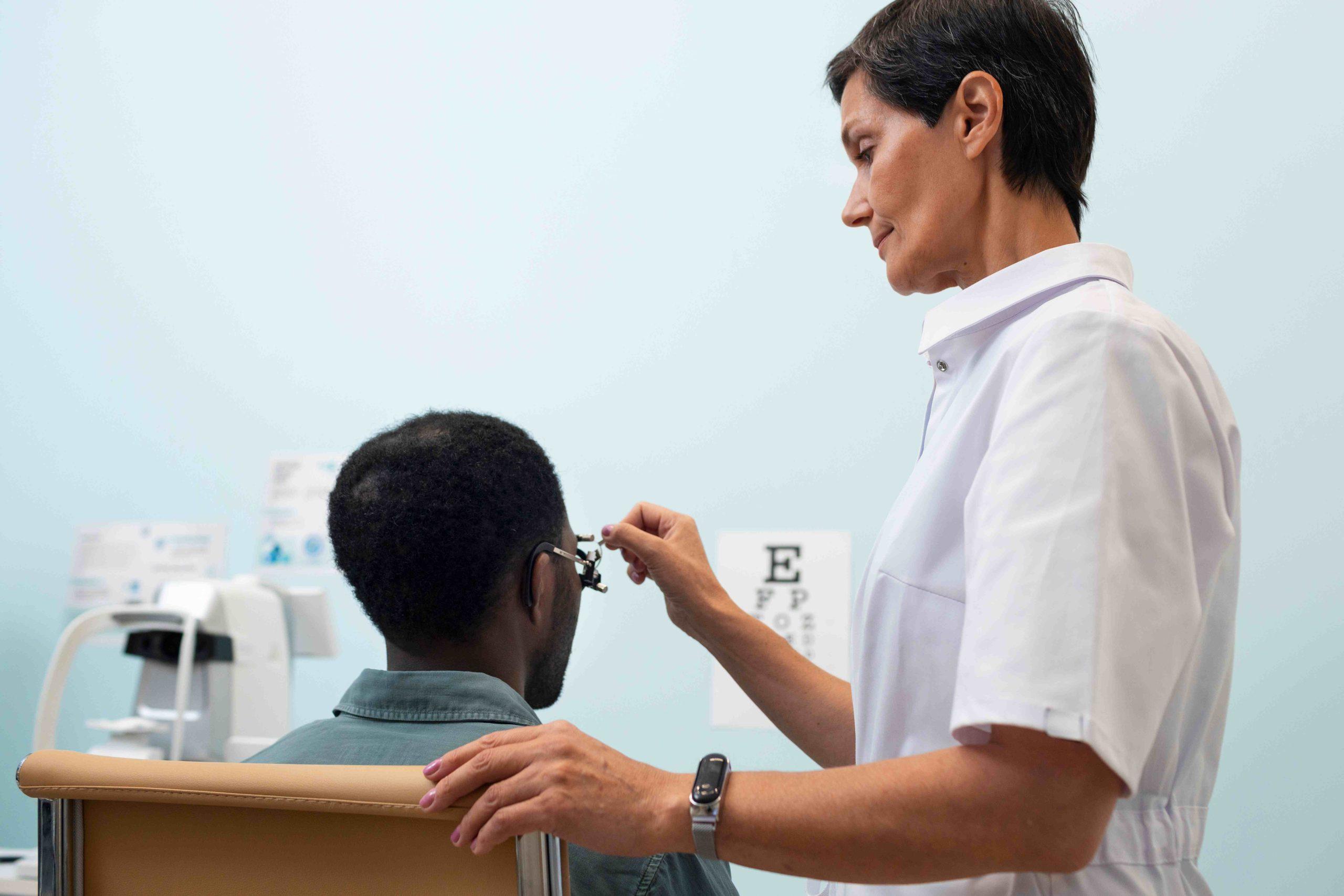
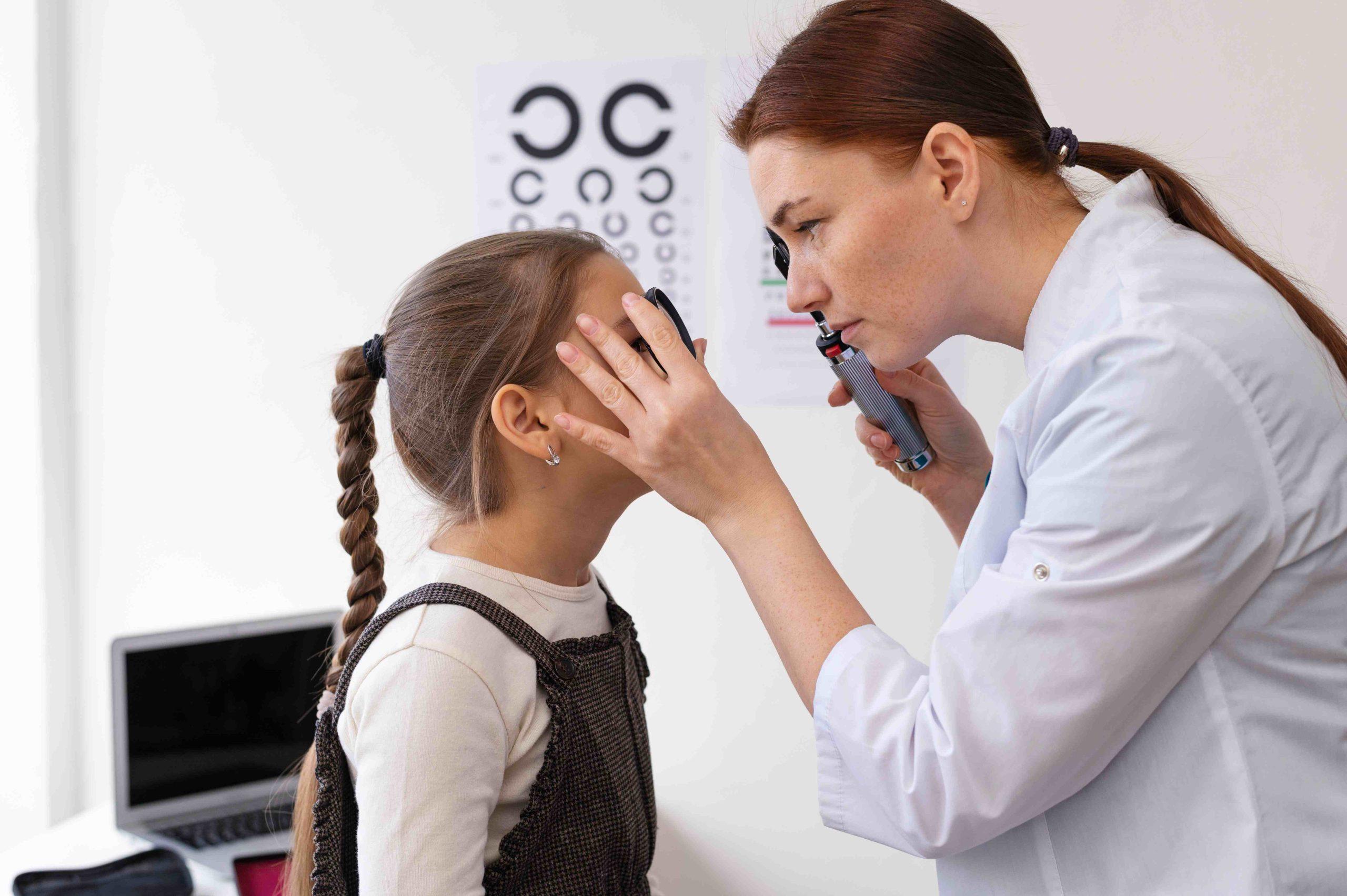
  • What is Visual Impairment?

    NDIS Visual Impairment

    Visual Impairment encompasses individuals who have lost a large portion of their ability to see other than what can be achieved by using eyeglasses, contact lenses, medicines or surgical procedures. Examples of visual impairment include partially seeing, seeing only blurred images, having diminished peripheral vision or having no usable form of eyesight (i.e., blindness). People with visual impairments may find everyday tasks challenging due to their inability to read, identify others by face, find their way through unknown places, and perform tasks for which they need enhanced or detailed vision.

    The loss of eyesight may occur as one of many causes, such as having a genetic condition, being involved in an accident that resulted in an injury to the eye, suffering from eye disease (e.g., glaucoma or macular degeneration), or developing health-related complications (e.g., the effects of diabetes).

    In general, the degree of visual loss will determine whether the individual is labelled as “low-vision” or “blind.” Low-vision means that the individual has limited eyesight but still has some functional level of seeing, whereas “blind” means that they have minimal to no usable eyesight. The Compass Care Group understands that visual impairment affects much more than just the way that someone sees; it impacts self-esteem, how well individuals are able to move around, communicate, and experience their quality of life.

    Through tailored NDIS support in Perth, assistive technology and skill-building programs, people will learn how to make adaptations, live independently, and fully participate in society.

  • Why Choose Compare Care Group for Visual Impairment Support and Care Services?

    • Holistic Support Model: The Group’s approach extends beyond basic care to include social, emotional, and technological support, addressing the multifaceted challenges of living with visual impairment, such as social isolation and the risk of falls.
    • Emphasis on Independence: Services focus on empowering individuals through various rehabilitation options, including training in daily activities (cooking, cleaning, managing finances), mobility and navigation assistance (white cane guidance), and the use of low vision aids.
    • Technology Integration: Caregivers provide “tech help” with screen readers, smartphones, voice assistants, and other assistive technologies, helping clients stay connected and independent in a digital world.
    • Personalised Care Plans: Services are likely tailored to individual needs, an approach shown to improve patient satisfaction and the effective use of low vision aids.
    • Addressing Caregiver Needs: The organisation recognises the importance of supporting caregivers and provides resources, information, and emotional support to help them navigate the complex care system, ensuring a stronger overall support network.
    • Focus on Mental Well-being: The services include emotional support and companionship, which help manage stress, depression, and anxiety often associated with vision loss.
    • Practical Errand Assistance: Caregivers assist with essential errands such as banking, grocery shopping, bill payments, and attending hospital/clinic visits, reducing the burden on the visually impaired person and their family.


  • Benefits of Choosing Compass Care for Visual Impairment

    • Enhanced Independence: The program helps participants develop self-reliance, advocacy, and independent living skills.
    • Improved Pre-Employment Skills: Students learn collaboration, communication, and networking skills through group work and individual coaching.
    • Personalised Planning: Participants work with a “Compass Coach” to develop an individualised “Action Plan” that aligns with their interests and goals, involving the student, family, and educators.
    • Increased Post-Secondary Opportunities: A high percentage of program graduates go on to enrol in college, indicating success in preparing for higher education.
    • Strong Support Network: Monthly workshops for students, families, and educators help create a network of support and provide well-informed perspectives from young adults already in college or the workplace.


  • Get the Support You Deserve: Connect with Our NDIS Expert

    Need Help?
  • Examples of Visual Impairment

    NDIS Visual Impairment
    • Myopia (nearsightedness): Difficulty seeing distant objects clearly, while nearby objects are seen clearly.
    • Hyperopia (farsightedness): Difficulty seeing close objects clearly, while distant objects may be seen clearly.
    • Astigmatism: Blurred or distorted vision at all distances due to an irregularly shaped cornea.
    • Presbyopia: Age-related farsightedness, typically starting around age 40, making it difficult to focus on close objects like reading small print.
    • Cataracts: Clouding of the eye’s lens, leading to blurry vision. Surgery is often the cure.
    • Glaucoma: A group of eye diseases that damage the optic nerve, which can lead to vision loss and blindness.
    • Diabetic retinopathy: A complication of diabetes that affects the blood vessels in the retina.
    • Age-related macular degeneration (AMD): A condition that can cause vision loss in the centre of the field of vision.
    • Strabismus: A condition where the eyes do not align properly; also known as “crossed eyes”.
    • Colour blindness: A reduced ability to distinguish between certain colours, most commonly red and green.
    • Cortical visual impairment: Vision loss caused by damage to the brain, such as from a stroke or head trauma.
    • Retinitis pigmentosa: An inherited condition that can lead to night blindness and tunnel vision.
    • Amblyopia (lazy eye): Poor vision in one eye because the eye and brain did not work together properly.


  • Are you ready to build your confidence, and achieve a sense of empowerment over your life?

    Then chat to our team of NDIS registered disability support service providers today. We are here to help you reach your goals for increased independence.

Contact NDIS Support Services Provider

FAQs

What is considered a visual impairment?

Visual impairment refers to partial or complete loss of vision that cannot be fully corrected with glasses, contact lenses, or medical treatment. It includes conditions such as low vision, blurred vision, reduced peripheral sight, and blindness.

Can people with visual impairment receive support through the NDIS?

Yes. Individuals with permanent or significant vision loss may be eligible for NDIS funding if their condition impacts daily activities and independence. Supports can include mobility training, assistive technology, personal care, and community participation assistance.

What types of support does Compass Care Group provide for visual impairment?

Compass Care Group offers personalised support, including daily living assistance, orientation and mobility support, skill-building programs, and help accessing adaptive technologies. Our goal is to enhance confidence, independence, and safety.

How can support services improve the quality of life for someone with visual impairment?

The right supports help individuals navigate daily tasks more easily, build independence, improve mobility, and stay connected to their community. With tailored care and ongoing guidance, people with visual impairment can lead fulfilling and empowered lives.

Contact Us

Contact Us
img
Quick Enquiry WhatsApp