Trusted NDIS Therapeutic Support for Neurological Injuries in Perth 

We at Compass Care Group specialise in managing your neurological condition with compassion, expertise, and a commitment to quality care. Our team understands the sophisticated and lifelong challenges that come with conditions like Acquired Brain Injury (ABI) and Severe Stroke, and we are dedicated to delivering care that promotes independence, dignity, and safety. For individuals with ABI, we offer high-level support for cognition, personal care, and overall safety, ensuring a structured environment that encourages recovery and confidence. Those recovering from severe strokes often require ongoing assistance with mobility transfers, eating, and hygiene, and our skilled support workers are trained to meet these needs with patience and professionalism. Whether at home or in supported living environments across Perth, Compass Care Group’s holistic approach focuses on enhancing quality of life, rebuilding capabilities, and empowering each individual to live as independently and comfortably as possible.

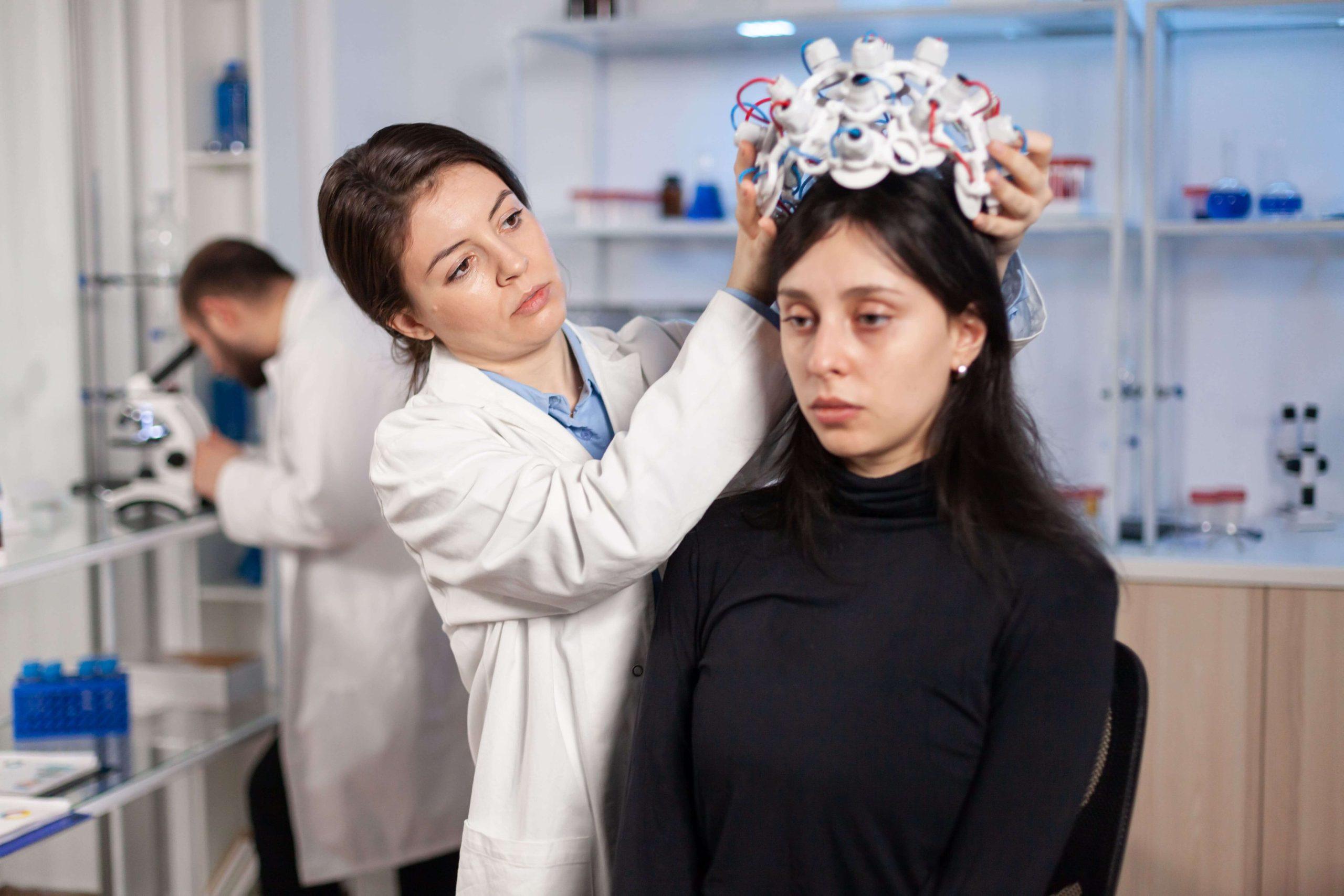
  • What are Neurological Conditions?

    NDIS Neurological Injuries

    Neurological conditions are basically a bunch of diseases that affect the brain, spinal cord, and nervous system. These are very important parts of the body because they control everything we do, like thinking, moving, and even breathing. Unfortunately, neurological conditions are the leading cause of disability and the second biggest cause of death in the world. This means that more need medical care, support, and help with daily life because of these conditions. 

    There are more than 600 types of neurological conditions, ranging from common ones like migraines and epilepsy to more serious ones like Alzheimer’s, Parkinson’s disease, and brain injuries. Some neurological conditions, such as stroke or meningitis, can occur suddenly, while others, like Huntington’s disease or muscular dystrophy, are genetic and progress gradually over time. Their impact varies greatly from person to person, some individuals may experience memory difficulties, others may face challenges with movement or speech, and many may require additional support to manage everyday activities.

  • Why Choose Compass Care Group for Neurological Injuries?

    • Holistic and Patient-Centered Approach: The COMPASS (Comprehensive Post-Acute Stroke Services) care model uses a holistic approach that integrates medical and community resources to address the patient’s medical, physical, and social needs. Care plans are tailored to individual needs and preferences.
    • Specialized Expertise: The programs involve a multidisciplinary team of professionals with specific expertise in neurological injuries, including physicians, nurses, occupational therapists, speech and language therapists, and psychologists, ensuring comprehensive and specialized care.
    • Individualized Care Plans: A central feature is the creation of an individualized electronic care plan (COMPASS-CP™) that identifies specific concerns and provides solutions through education, coaching, and referrals to appropriate community resources.
    • Emphasis on Self-Management and Independence: The programs often focus on developing self-management skills and setting realistic goals to foster greater independence and community reintegration for individuals with brain injuries or neurological conditions.
    • Structured Follow-Up and Support: Patients receive structured post-discharge follow-up, including phone calls and clinic visits, to monitor progress, manage complications, and ensure adherence to the care plan.
    • Caregiver Involvement: The model recognizes the importance of caregivers, incorporating their support needs into the care plan and providing resources to reduce caregiver strain.
    • Evidence-Based Model: The COMPASS model has been developed and evaluated through clinical trials, aiming to provide evidence-based care that improves functional status and quality of life after a neurological event like a stroke.


  • Benefits of Choosing Compass Care Group for Neurological Injuries

    • Individualized Care Plans: Care is tailored to individual needs and goals, using patient-reported outcomes to create a personalized, actionable plan for recovery and independence.
    • Multidisciplinary Team Approach: A team of healthcare professionals, including physicians, nurses, and therapists, works together to provide comprehensive care and manage complications, ensuring all aspects of the patient’s well-being are addressed.
    • Integrated Community Resources: The care model connects patients with essential community resources and support groups, such as transportation assistance, meal services, and caregiver support, which aids in social inclusion and community participation.
    • Focus on Self-Management and Independence: The program emphasizes developing self-management skills, such as goal setting and medication management, to empower individuals to take control of their care and promote independence.
    • Caregiver Involvement and Support: The program recognizes the importance of caregivers, offering assessments and support to reduce caregiver strain and ensure effective support at home.
    • Improved Access to Care: The model includes timely follow-up calls and clinic visits post-discharge to manage new symptoms and ensure continuity of care, reducing barriers to accessing essential services.


  • Get the Support You Deserve: Connect with Our NDIS Expert

    Need Help?
  • Examples of Neurological Injuries

    NDIS Neurological Injuries
    • Acquired Brain Injury (ABI): Requires high-level support for cognition, safety, and personal care to help individuals manage memory, decision-making, and daily living activities.
    • Severe Stroke: Involves ongoing care needs for transfers, eating, and hygiene, often requiring assistance to regain mobility and independence.
    • Concussion: A mild form of TBI often caused by a blow to the head.
    • Penetrating injuries: Occur when an object pierces the skull, such as from a gunshot wound or a severe fall.
    • Acceleration-deceleration injuries: Happen when the brain is rapidly moved inside the skull, often in car accidents.
    • Quadriplegia: Paralysis of the arms and legs, which can result from severe spinal cord damage.
    • Paraplegia: Paralysis of the lower half of the body.
    • Cerebral aneurysm: A weakened, bulging blood vessel in the brain.
    • Subarachnoid hemorrhage: Bleeding in the space surrounding the brain.
    • Meningitis: An inflammation of the membranes surrounding the brain and spinal cord.
    • Encephalitis: An inflammation of the brain itself.
    • Myelitis: An inflammation of the spinal cord.
    • Epilepsy: A disorder characterized by recurrent seizures.
    • Multiple sclerosis (MS): An autoimmune disease that damages the protective covering of nerves.
    • Parkinson’s disease: A progressive disorder that affects movement.
    • Bell’s palsy: A condition that causes temporary weakness or paralysis of the facial muscles.
    • Carpal tunnel syndrome: A condition that affects the nerves in the wrist.
    • Wernicke-Korsakoff syndrome: A brain disorder caused by thiamine (vitamin B1) deficiency, often linked to chronic alcohol use.


  • Are you ready to build your confidence, and achieve a sense of empowerment over your life?

    Then chat to our team of NDIS registered disability support service providers today. We are here to help you reach your goals for increased independence.

Contact NDIS Support Services Provider

FAQs

What types of neurological conditions does Compass Care Group support under NDIS Therapeutic Services?

Compass Care Group provides specialised NDIS therapeutic support in Perth for individuals living with conditions such as Acquired Brain Injury (ABI), Severe Stroke, Spinal Cord Injury, Multiple Sclerosis (MS), Motor Neurone Disease (MND), and other complex neurological disorders. Our team tailors therapy and care plans to meet each individual’s unique needs.

How can therapeutic support help individuals with neurological injuries?

NDIS Therapeutic Supports focus on improving mobility, communication, cognitive skills, and emotional well-being. For individuals with neurological injuries, these therapies can help restore independence, enhance daily functioning, and support long-term recovery through physiotherapy, occupational therapy, and speech therapy.

Are Compass Care Group’s services customised for different levels of care needs?

Yes, we understand that every neurological condition affects individuals differently. Whether it’s high support for cognition and personal care in Acquired Brain Injury (ABI) or ongoing assistance with transfers, eating, and hygiene for Severe Stroke, our care plans are fully customised to ensure comfort, safety, and progress.

How do I access NDIS Therapeutic Support for neurological injuries through Compass Care Group?

You can access our services by contacting Compass Care Group directly or through your NDIS plan manager or support coordinator. Our friendly team will guide you through eligibility, documentation, and service setup to ensure a smooth and stress-free onboarding process.

Contact Us

Contact Us
img
Quick Enquiry WhatsApp