Recover With Confidence Through NDIS -Funded Stroke Rehabilitation

At Compass Care Group, we take the time to truly understand you, our goals, challenges, and aspirations, so we can create a personalised plan that helps you achieve greater independence and confidence. Our dedicated team provides reliable, compassionate, and professional NDIS stroke support in Perth, guiding you every step of the way toward recovery and a better quality of life.

Stroke remains one of the leading causes of long-term disability in Australia, with many individuals requiring ongoing care and rehabilitation. If you or your loved one is recovering from a disabling stroke, our Stroke Support Specialists are highly trained to deliver expert assistance tailored to your physical, emotional, and daily living needs.

With our extensive experience, 24/7 care capacity, and genuine commitment to community and family values, Compass Care Group ensures you receive the highest standard of support in Perth, empowering you to live a happy, fulfilling, and independent life.

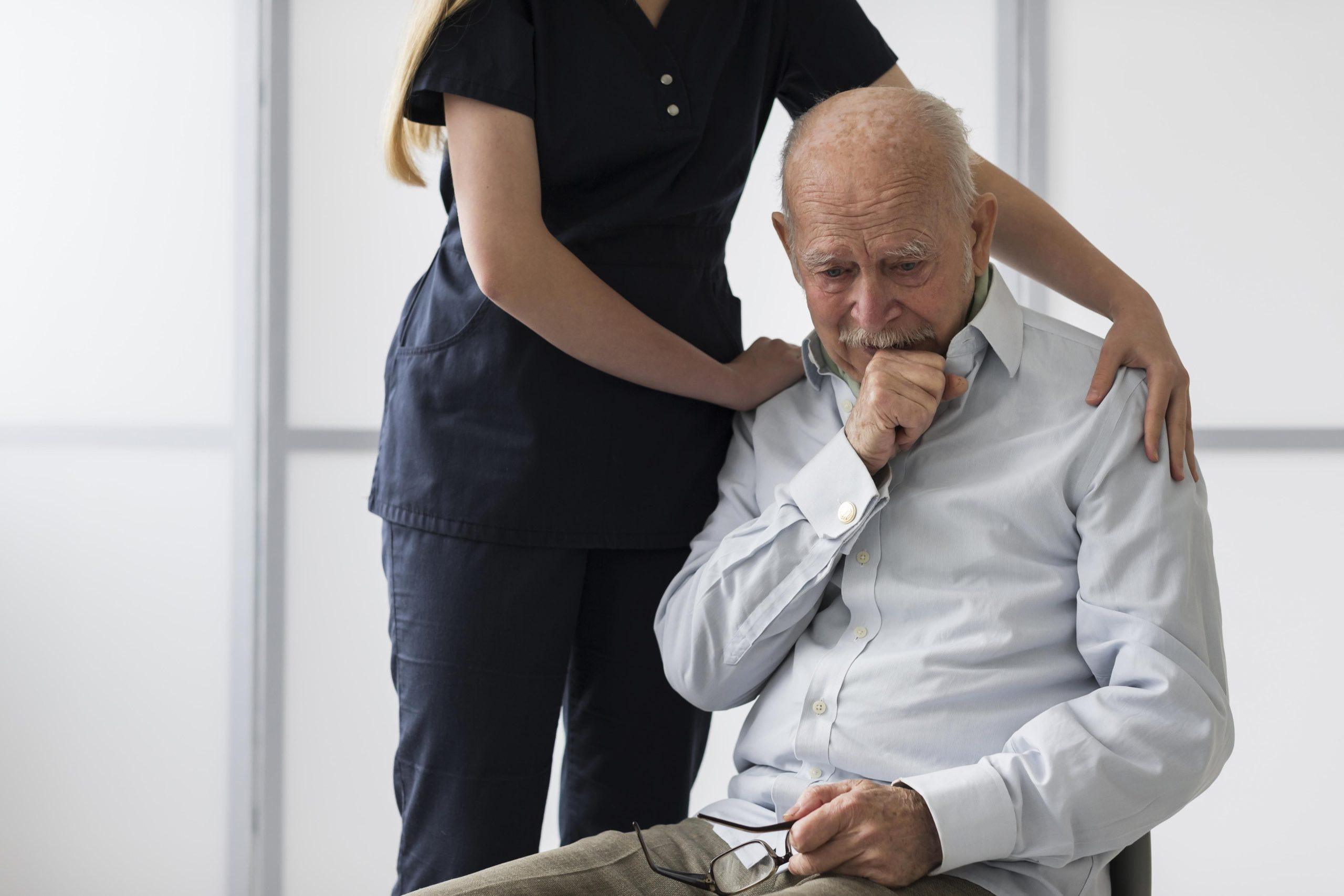
  • What is Severe Stroke?

    NDIS Severe Stroke

    A stroke, also known as Cerebrovascular accident, occurs when the blood supply to part of your brain is interrupted or reduced. This can happen when a blood vessel in the brain ruptures or a blood clot blocks the blood flow, preventing oxygen and nutrients from reaching brain tissue. 

    If the stroke you or your loved one suffered was relatively small, the effects may be overcome with the right support and you may be able to live an almost completely normal life after this event. However, in cases where a severe stroke causes lasting damage to specific areas of the brain, it may lead to permanent disabilities affecting movement, speech, or cognition. When this happens, our Stroke Support Specialists in Perth step in with tailored interventions and therapeutic strategies designed to enhance your comfort, independence, and overall quality of life.

  • Why Choose Compass Care Group In Severe Stroke?

    • Integrated Transitional Care: The model bridges the gap between hospital discharge and a return to the community through services that combine hospital and community resources, which often lack coordination in standard care.
    • Multidisciplinary Team Support: Care is coordinated by a team of specialists, including advanced practice providers (nurse practitioners, physician assistants, or physicians) and registered nurse post-acute care coordinators (PACs). This team approach helps manage the complexity of post-stroke needs.
    • Individualised Care Plans: A key feature is the creation of a personalised electronic care plan (COMPASS-CP™) based on patient-reported outcomes, which helps identify and address specific medical, physical, social, and functional challenges, as well as caregiver needs.
    • Structured Follow-Up: The program includes a structured follow-up process, including a telephone call within two days of discharge and a comprehensive clinic visit within two weeks, with additional follow-up calls at 30 and 60 days to monitor progress and adjust care.
    • Focus on Patient and Caregiver Education: It emphasises education for both the patient and family caregivers on stroke recovery, secondary prevention (such as blood pressure monitoring), and self-management strategies.
    • Reduced Adverse Events: Studies related to the COMPASS (Comprehensive Post-Acute Stroke Services) model have shown potential for improved outcomes, including a lower risk of skilled nursing facility (SNF) admissions and mortality, and a trend toward fewer 30-day rehospitalisations compared to usual care.
    • Community Resource Navigation: The care plan integrates a local directory of community resources, helping patients and caregivers access necessary support services, which can be a major challenge after discharge.


  • Benefits of Choosing Compass Care Group for Severe Stroke

    • Individualised Care Plans: An electronic care plan (COMPASS-CP) is generated in real-time based on standardised patient-reported assessments of medical, physical, social, and functional needs. This ensures care is tailored to the individual’s specific challenges and goals.
    • Comprehensive Support: The model integrates medical management (e.g., medication reconciliation and blood pressure monitoring) with referrals to essential community-based resources and support services, such as rehabilitation, caregiver support groups, transportation, and meal services.
    • Enhanced Patient and Caregiver Engagement: The process is designed to actively involve both the patient and their caregiver in education and decision-making, which improves patient engagement in managing their recovery and addresses caregiver strain.
    • Improved Outcomes in Per-Protocol Analysis: While the main trial outcomes were not all statistically significant in a general analysis, a deeper “per-protocol” analysis of patients who fully received the intervention showed improved outcomes, including higher satisfaction with care, better function, less depression, and fewer falls.
    • Focus on Secondary Prevention: The program emphasises education on stroke risk factors (like high blood pressure) and medication adherence to help prevent future strokes and complications.
    • Coordinated Follow-up: A structured follow-up process includes phone calls within two days of discharge and a clinic visit within 7 to 14 days, ensuring a smooth transition from hospital to home and minimising fragmented care.


  • Get the Support You Deserve: Connect with Our NDIS Expert

    Need Help?
  • Examples of Severe Stroke

    NDIS Severe Stroke
    • Sudden, severe headache: A sudden and severe headache, especially when accompanied by vomiting or confusion, can indicate a hemorrhagic stroke.
    • Loss of consciousness or seizure: A person may become unconscious or have a seizure during a severe stroke.
    • Paralysis or extreme weakness: This is often on one side of the body, affecting the face, arm, or leg.
    • Severe confusion or inability to speak: A person may be completely unable to speak or understand speech, or they may have severely slurred or garbled speech.
    • Sudden vision problems: This can include complete or partial loss of vision in one or both eyes, or sudden double vision.
    • Sudden loss of balance and coordination: A severe stroke can lead to an immediate loss of balance, making it difficult to walk or coordinate movements.


  • Are you ready to build your confidence, and achieve a sense of empowerment over your life?

    Then chat to our team of NDIS registered disability support service providers today. We are here to help you reach your goals for increased independence.

Contact NDIS Support Services Provider

FAQs

How can NDIS-funded stroke rehabilitation help in recovery?

NDIS-funded stroke rehabilitation provides tailored support to help individuals regain mobility, independence, and confidence after a stroke. Through a combination of therapeutic interventions, personal care, and daily living assistance, our team helps participants rebuild strength, improve coordination, and enhance their overall quality of life.

What kind of support does Compass Care Group offer for stroke survivors?

At Compass Care Group, we offer comprehensive stroke support, including help with transfers, eating, hygiene, mobility, and daily activities. Our trained support workers and therapists create personalised care plans to meet each participant’s specific needs and recovery goals.

Am I eligible for NDIS-funded stroke rehabilitation services?

If your stroke has resulted in a permanent or significant disability that affects your ability to carry out daily tasks, you may be eligible for NDIS-funded support. Our team can assist you with understanding eligibility and navigating the NDIS application process.

Can Compass Care Group provide in-home stroke rehabilitation?

Yes. We offer in-home and community-based rehabilitation services, allowing you to recover comfortably in your own environment. Our support workers and allied health professionals focus on helping you regain independence while ensuring safety and confidence throughout your recovery journey.

Contact Us

Contact Us
img
Quick Enquiry WhatsApp