
NDIS Accommodation: Your Complete 2025 Guide to Housing Options, Eligibility & Support
May 12, 2025
Previous Post

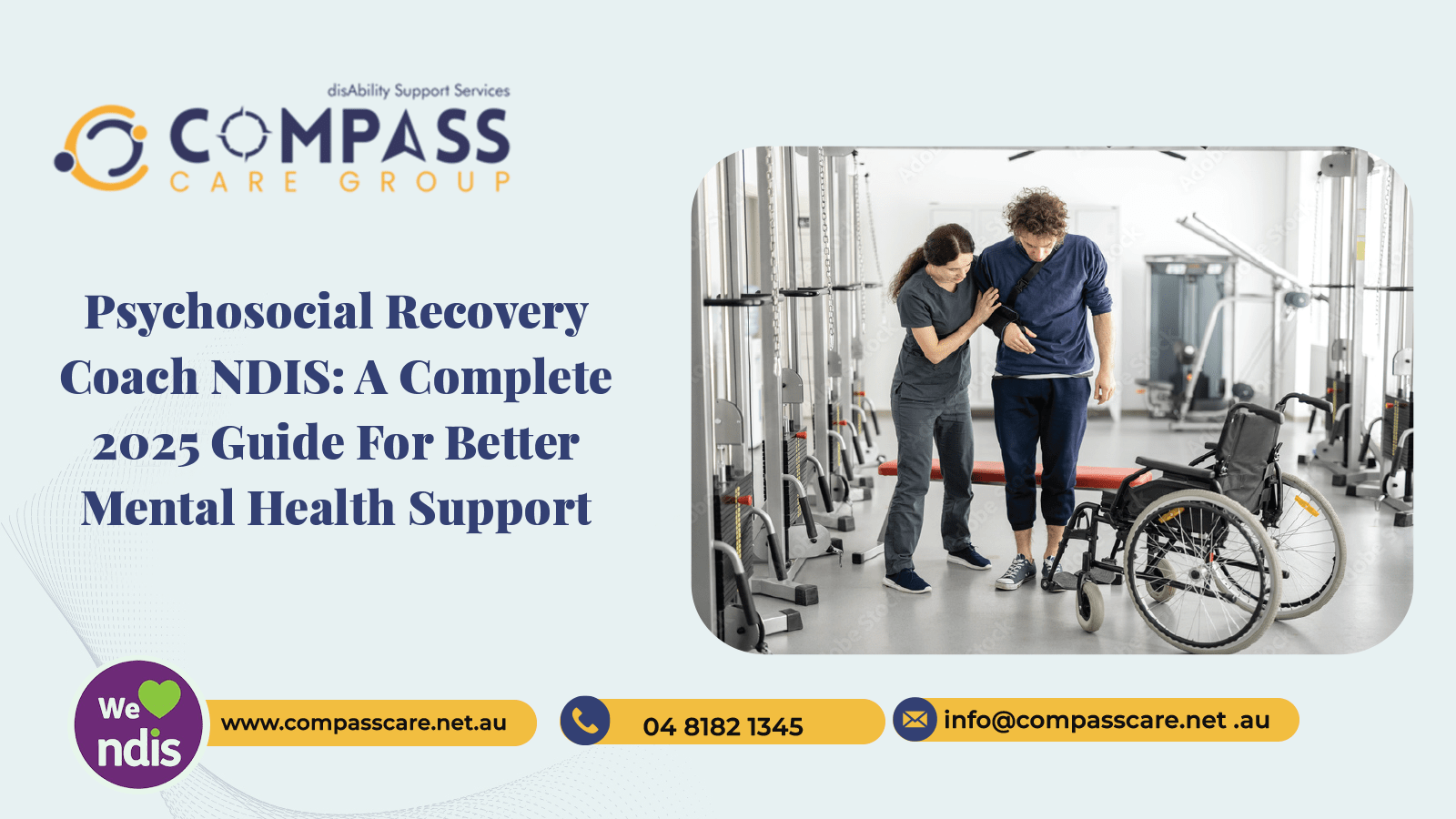
Mental health challenges affect thousands of Australians every year, and the National Disability Insurance Scheme (NDIS) now offers targeted support through psychosocial recovery coach Perth services. If you or a loved one live with a psychosocial disability—such as schizophrenia, bipolar disorder, or severe anxiety—having a dedicated recovery coach can make a real difference in daily life.
In this 2025 guide, we break down the role of a psychosocial recovery coach under NDIS, eligibility criteria, how they’re different from support coordinators, and how to access this essential service.
A psychosocial recovery coach is a mental health professional funded by the NDIS to support people living with a psychosocial disability—a term used to describe disabilities that arise from a mental health condition.
The coach works closely with participants to:
Psychosocial disability refers to the ongoing impact of a diagnosed mental health condition on a person’s daily life. Conditions often include:
As per the NDIS, approximately 14% of participants have a primary psychosocial disability, with numbers expected to rise as awareness and access grow in 2025.
Recovery coaches go beyond traditional NDIS support roles by offering a mental health-informed and goal-oriented approach. Benefits include:
To be eligible for a psychosocial recovery coach under NDIS, you must:
Note: You must request this service during your NDIS plan review. Supporting documentation from mental health professionals may be required.
Here’s what their day-to-day role includes:
| Role | Description |
| Individual Recovery Plans | Co-designing personal goals and strategies |
| NDIS Plan Support | Helping participants use and manage their NDIS funding |
| Connecting Services | Linking to mental health providers, housing, and employment |
| Building Capacity | Developing skills for self-advocacy and resilience |
| Crisis Management | Supporting participants through mental health setbacks |
While both roles support NDIS participants, the recovery coach focuses specifically on mental health recovery, often with lived experience or clinical training. See the comparison below:
| Feature | Recovery Coach | Support Coordinator |
| Focus | Mental health & recovery | General service coordination |
| Experience | Mental health background (lived or learned) | Disability or coordination background |
| Support Type | Holistic, therapeutic, long-term | Logistical, plan-based, short/medium-term |
NDIS recognises two types of psychosocial recovery coaches:
Both types are valuable and may be selected based on participant preference.
Here’s a quick step-by-step guide:
Providers like Compass Care are also registered NDIS providers in Perth offering dedicated recovery coaching aligned with mental health best practices.
You can expect:
Living with a psychosocial disability doesn’t mean giving up your goals. With the right support system, especially from a trained psychosocial recovery coach, you can regain control, improve your well-being, and build the confidence to lead a meaningful life.
Whether you’re just joining the NDIS or already have a plan, consider adding a recovery coach as your mental health guide through the system.