

Psychosocial Recovery Coach NDIS: A Complete 2025 Guide for Better Mental Health Support
May 12, 2025
Previous Post

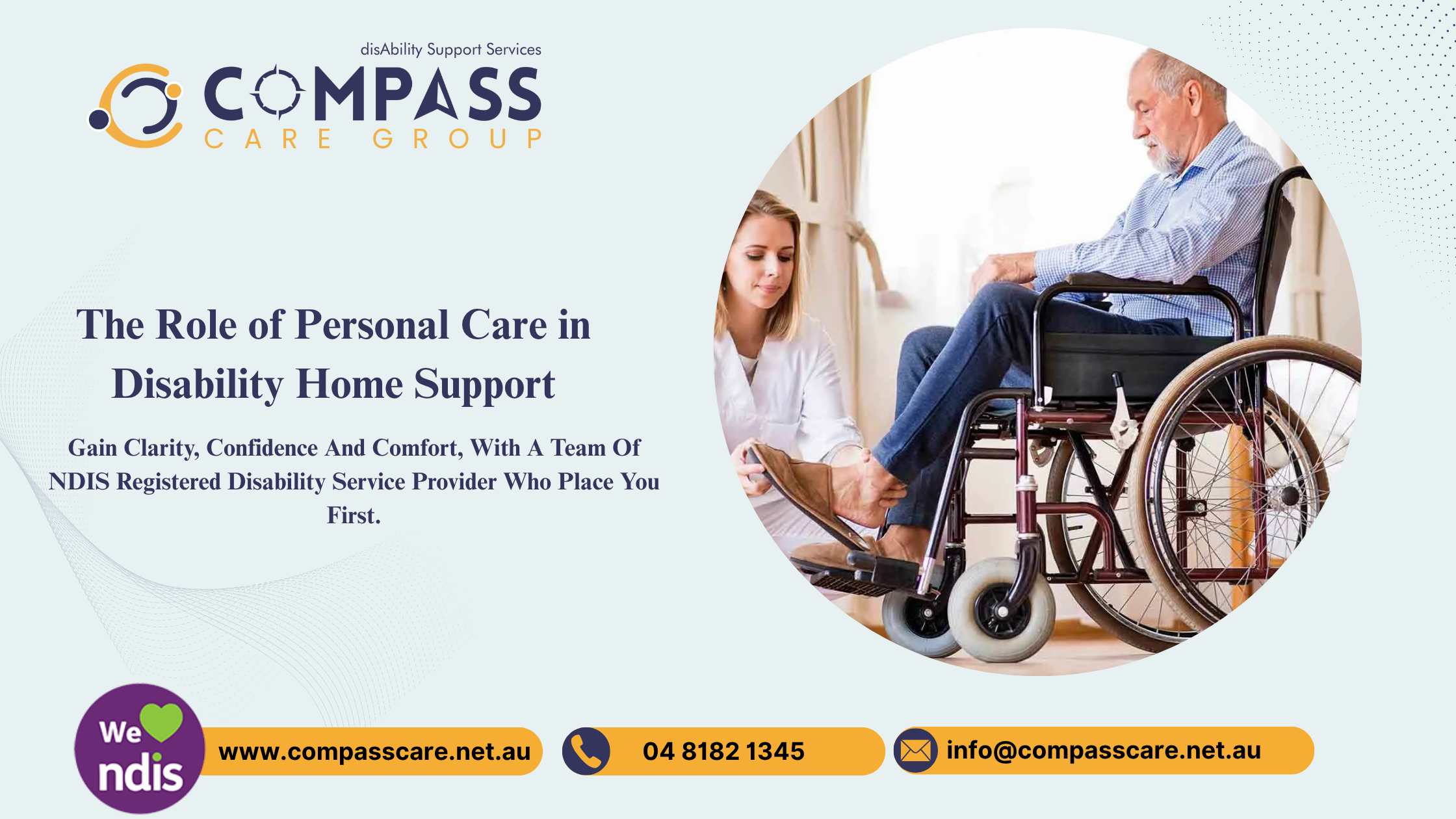
If you have serious disabilities, you may find it difficult to perform simple tasks. In this case, you may struggle with performing tasks such as bathing, dressing, cleaning, cooking, and so on. In some cases, walking can be a living hell. This is what life can feel like for people living with disabilities. Some may need a little help, while others might need a lot of support services. But no matter how big or small their needs are, everyone deserves to live with comfort, respect, and happiness in their own homes.
This is where the personal care by the NDIS comes in. Personal care is a special kind of help that makes everyday life easier and better for people with disabilities. It helps them feel clean, healthy, independent, and confident.
Personal care means professional support that helps a person with daily tasks which they may not be able to do on their own. This support usually happens right in the person’s home, which makes it convenient and comfortable for them. These services does not have to be expensive. This is why you can easily get affordable NDIS home care services. It means that you can get support workers who come to your house to assist you with things like bathing, dressing, grooming, cooking, cleaning, and moving around safely.
There are six common types of personal care services that people with disabilities can receive in their home. These include:
What is the role of personal care when it comes to disability home support. These are some of the ways that it supports people who need home care services:
Everyone who needs disability support is different. There personal care should be unique and tailored to their condition. This means that each each person gets the support that they need. Some may need help every day, while others only need it a few times a week. It is important for support workers to listen to the participant, understand their lifestyle, and work with them to make a care plan that’s just right.
If you are an NDIS participant, you may not be able to wash your own dishes or fold your laundry. Personal support workers can help you with all of these everyday tasks, like vacuuming, taking out the trash, or organizing your space. This is intended to make your home clean, comfortable, and safe which helps to take away stress.
With personal care, it doesn’t mean that you have support workers that do everything for you. These care workers can also help you live without relying on someone. It is all about helping you to do more by yourself. For example, a carer may teach you how to cook your favorite meal, or support you in learning to dress on your own. This builds your confidence and independence, which makes you prouder and stronger.
Sometimes, the best kind of care is just being there for the participants. Personal care workers are also there to provide you with emotional support and friendship. It is their job to talk, laugh, listen, and make sure that the participant does not feel lonely. This is so important as having a friendly face around can lift your mood and make your day much better.
It is important to always be active, even if you live with disabilities. It is the role of your support worker to make sure of this. In this case, personal carers often help with gentle exercises, stretching, or going for walks. These activities are fun, healthy, and help improve movement and energy. Then again, if you have chosen motivated carers who love their job, they may even bring games or music to make the sessions lively and fun.