The 10 best community activities for adults with disabilities
May 16, 2024
Previous Post

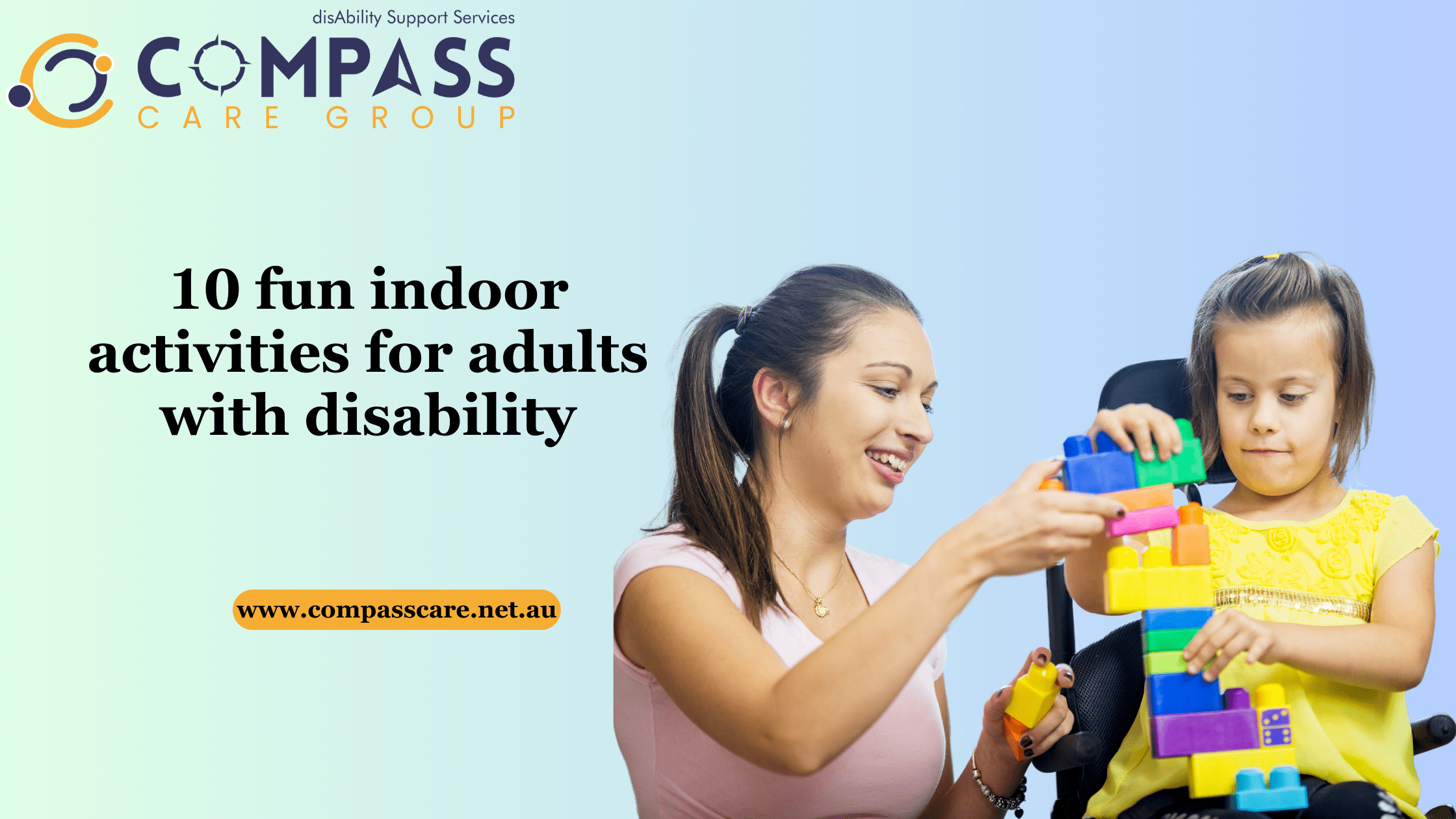
Life without recreational activities is always detrimental to our health, and we must keep ourselves physically active. Physical activity can enhance mental health, boost the capacity to do various physical tasks and make us more productive.
On the other hand, living with a person with a disability can be a challenge due to their limitation in mobility. Nevertheless, there are still opportunities to make the situation more manageable and healthier for them by engaging them in an everyday active lifestyle and creating a routine of various indoor games. They can more safely enjoy their time indoors with family, friends, and caregivers.
Reading books or listening to audiobooks is always a relaxing and calming indoor activity for adults with disabilities. Like everyone who loves reading books, it can keep them happy and occupied. Reading books with like-minded friends and families can positively impact their daily activities. Listening to informative audiobooks or reading books with pictures they like can be perfect activities for adults with disabilities.
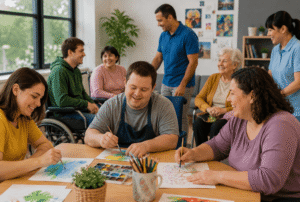
Staring a day with painting, drawing, and trying different crafts can bring out the creativity of adults with disabilities. This activity helps stimulate the mind and body and gives them a sense of accomplishment every time.
Developing a good skill set in origami, beading activities, paper mache, clay objects, fabric creation, or paint decorating can reduce stress and improve reality orientation through indoor activities for adults with disabilities. Events assisted by a social support worker can make a difference in the lives of people with disabilities.
Staying active is always extremely important for our health, but it can be challenging if someone has a disability and limited mobility. Seated exercises are a great way to stay physically active from the comfort of one’s home or couch.
Additionally, in disability-friendly sporting events, any low-impact workout can enhance flexibility, balance, and range of motion while reducing the common hazard of falls. At the same time, it promotes mind relaxation and physical balance. With expert guidance, anyone can benefit from seated exercises and low-impact workouts regardless of physical condition.
Mindful meditation, light yoga, and deep breathing techniques can also benefit the bodies and minds of adults with disabilities and improve their mental awareness about themselves and the environment.
Everyone loves a movie night at the weekend when they watch their favourite movies or TV shows with friends and family. It can be an excellent way for people with disabilities to relax, bond, and boost their mood. It can be an enjoyable activity where they can participate and enjoy concurrently, regardless of adult abilities. The latest technological tools, such as closed captioning, caption reading, and audio descriptions, can help people with disabilities fully engage with the content.
We love classic games like Monopoly, Scrabble, and Clue, favoured for generations, and people of all ages and abilities enjoy them simultaneously. People with disabilities can effortlessly participate and enjoy the games, spending time with family and friends while stimulating the mind.
Memory card games are another fun option. They come with different themes; the colourful cards help stimulate the brain and motivate people to engage in many other positive activities.
Preparing different meals and baking cakes can be entertaining and engaging activities for people with disabilities at home. It is a splendid way to bond with family and friends while stimulating the body and mind. While preparing meals with different herbs and other ingredients can be fulfilling, baking pastries, cakes, and sweets can be messy, but they are a great way to have fun in the kitchen and learn to multitask simultaneously.
When going out for tours and travels is not an option for adults with disabilities, virtual museums and gallery tours offer actual educational and interactive experiences from home. With help, they can explore and learn about different places, cultures, and art forms without leaving home, and they can also learn new languages through virtual tours of other locations worldwide.
Music is a proven tool for enhancing the joyous mood of people with disabilities. Singing along with favourite tunes alone or with friends and family can be an enjoyable and therapeutic activity that reduces stress. Music can be a unique communication that overcomes the language barrier, allowing adults with disability issues to communicate without words. Karaoke or free-form dancing is also a great way to encourage them to learn new skills or explore their talents. NDIS Plan Management Perth can also offer a tailored program specifically designed and provided for the activities of adults with disabilities.
Participating in virtual game nights with friends and family can benefit people with disabilities. They can stay socially connected, spend an active evening, and improve their communication, teamwork, and problem-solving skills. Games like Trivia, Bingo, or Charades are fun and interactive ways to build relationship bonds, boost self-esteem and enjoy to the fullest. Participating in these activities with some social support allows them to feel the delight of achievement and accomplishment.
Planting and caring for indoor plants with their own hands has several benefits that contribute to the well-being of people with disabilities. Caring for plants is a beautiful experience that helps them relax and reduce stress levels, along with good physical activity. With a small amount of help and patience from support workers, family, and friends, people with disabilities can participate in indoor hydroponic gardening, which is also worth considering as an indoor activity.
Other options to enjoy for adults with disabilities at home as indoor activities, which the NDIS Plan Management Perth can help to obtain, are
Fun isn’t just a luxury; it’s a necessity for mental and emotional well-being. Studies show that engaging in hobbies and leisure activities can reduce stress, improve self-esteem, and even enhance cognitive function. For adults with disabilities, structured indoor activities can also help:
One of the most important things about indoor activities for adults with disabilities is adaptability. Not every activity suits everyone, so it’s essential to focus on personalised experiences that cater to different abilities and interests.
The National Disability Insurance Scheme (NDIS) supports individuals in accessing and funding recreational activities that promote social and personal development. Many fun indoor activities—like art therapy, music programs, or virtual learning—are covered under NDIS support categories such as:
Assistive Technology – Supporting the use of adaptive tools and devices for indoor activities
For individuals with disabilities, indoor activities are safe and accessible recreational. However, there are endless possibilities for indoor activities with adults with disabilities that somebody can do from the comfort of their own home. The disability service providers Perth provide opportunities and possibilities for indoor activities that can break down the barriers and constraints of mobility.