The NDIS cares for the welfare and happiness of all people with disabilities in Australia. In many cases, people with disabilities usually need someone to guiding them, offer support and encouragement. When looking at people with disabilities, there are many who also suffer from mental problems. Such health problems are serious and can put such people and others at risk. This is why it has to be managed properly.
You can easily find an NDIS psychosocial recovery coach in many parts of the country. Their job is to take care of such people with mental challenges. With the help of these coaches, these mentally ill people can gradually gain balance and the confidence to explore things on their own.
The NDIS provides regular support for these people with mental problems just as they do for those who have physical disabilities. People with mental problems can find it hard to live a normal life. In this case, they can be assigned a psychosocial recovery coach. This is one of the services offered under the NDIS to assist people on their journey toward a good mental health.
What does psychosocial recovery coaching mean?
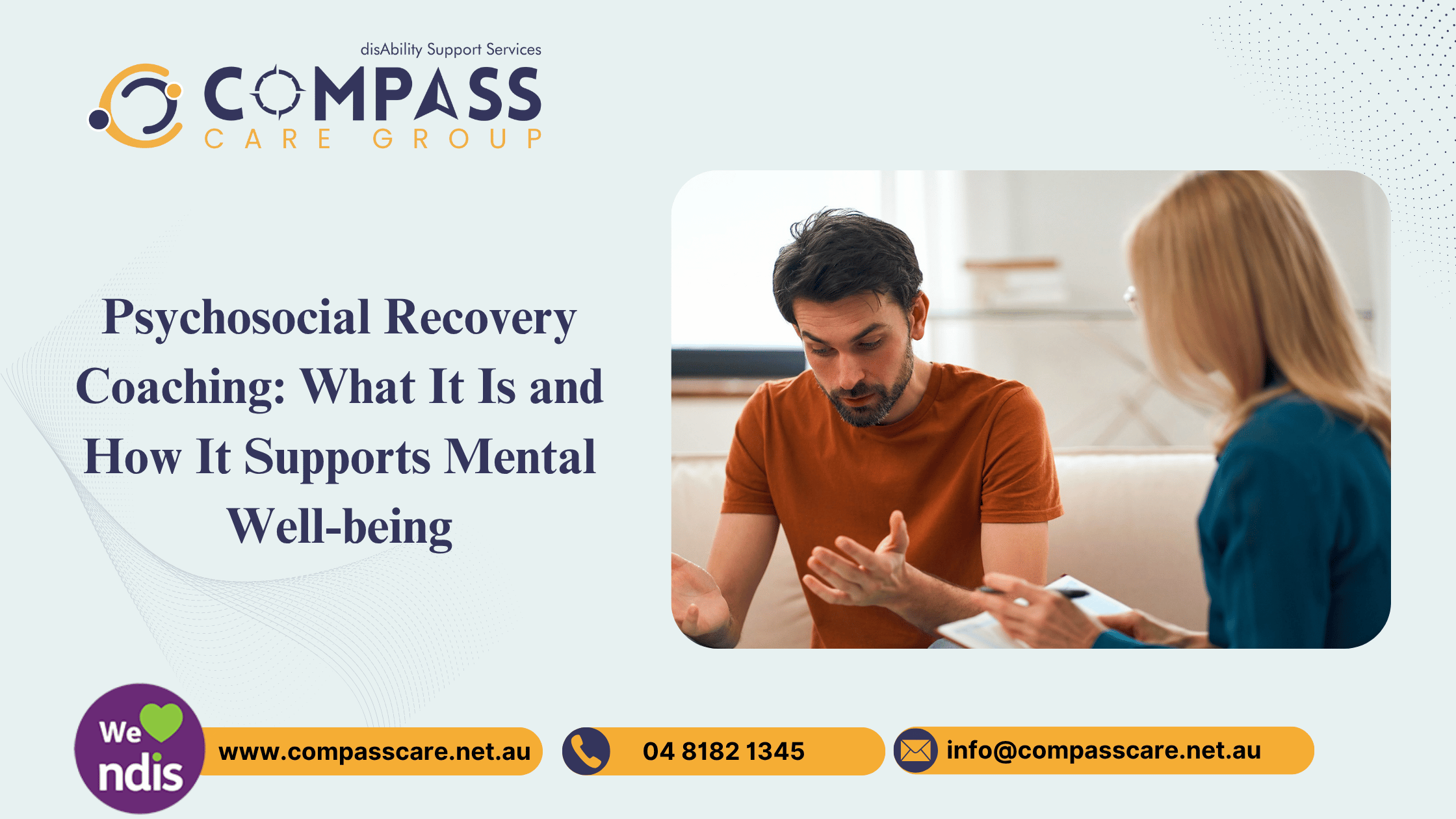
Psychosocial recovery coaching is a type of service that has been designed to support people that have mental health problems. The coach helps them towards their journey to become mentally well. It is the role of these coaches to work with the person to:
- Spend enough time with the person to their closed ones in order to get a better understanding of their problem.
- Help the person suffering from the mental illness to be able to find and access various services that can help such people recover quickly.
- Work together with the person to create personal healing plans that focuses on their goals, aspirations, and strengths.
- Help them to develop the right skills that they need to properly manage their challenges while also enhancing their ability to handle problems in the future.
Why is there a need for psychosocial recovery coaching?
People that have mental health problems usually find it difficult to take part in daily activities, relationships, and to participate in public events. Because of these challenges, the person can easily become overpowered and isolated. This is were psychosocial recovery coaching becomes very important. It is used to address these problems by:
- By providing a unique and special support to each person as each person’s mental health is different from the next.
- They work to empower the participants to play an active role in helping to drive their recovery process which helps them to be able to be in control of their lives once more.
- The coaches assist these people to navigate the NDIS in order to make sure that they have access to the necessary support.
What is the meaning of psychosocial disability?
A psychosocial disability is used to refer to a mental health problem where a person is unable to function properly in social conditions. It is used to describe the social and emotional challenges that people face in public which can seriously affect their daily lives.
How does psychosocial recovery coaching help NDIS Participants
For NDIS participants that have psychosocial disabilities, recovery coaches are very important because of the following:
- They always offer support: They are always around to provide reliable support and encouragement throughout the process of recovery.
- Guiding with setting goals and achieving them: It is the job of these coaches to help these individuals to set goals and create realistic plans to reach them.
- They coordinate with various services: These coaches ensure that all aspects of the person’s support network are effectively working together.
- Ensuring the individual’s needs are met: They usually represent and support the interests of these individuals when dealing with broader services like the NDIS.
The importance of NDIS psychosocial recovery coaching to enhancing mental well-being
The NDIS has made psychosocial coaches available to help people with mental health problems get lasting solutions to their challenges. The coaches ensure mental well-being in the following ways:
- By offering personal recovery plans: The coaches work with these people to develop tailored plans that empower them to help accelerate the process of recovery.
- Enhanced access to different services: The coaches help connect people with the right services and supports, to ensure that they solve all aspects of their mental health problems.
- Assistance with skills development: Coaches help such people to build the needed skills for daily living, which can improve their confidence and their ability to live alone.
- Offering of emotional support: The NDIS coaches help individuals to easily navigate the emotional aspects of recovery by always offering compassion and empathy.
- Helping in times of crisis: It is the job of the coach to provide help and support during times of uncertainties in order to help the individuals to effectively manage.
- Engaging more with the community: The coach encourage the individuals with participation in community activities as well as to create more social connections which helps to reduce isolation and promote a sense of belonging during social events.