Signs You Need Specialist Support Coordination
Sep 25, 2026
Previous Post

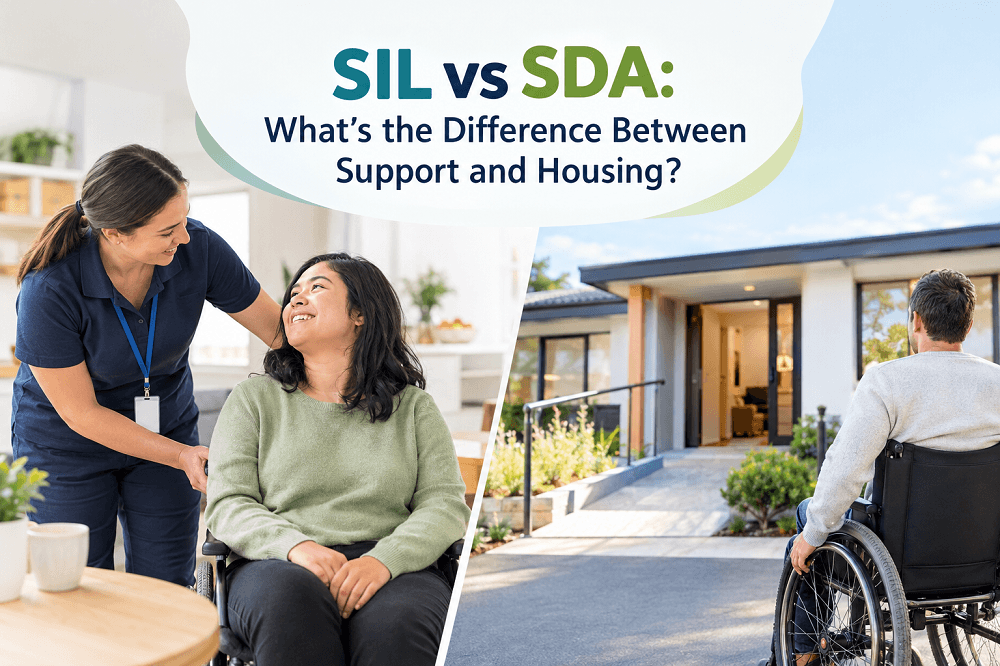
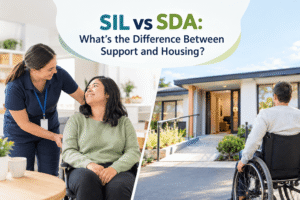
Choosing where and how to live is one of the biggest decisions an NDIS participant can make. Two terms come up often: Supported Independent Living (SIL) and Specialist Disability Accommodation (SDA). They sound similar, but they do different jobs. One is about support, the other is about the home itself, and some participants may receive both.
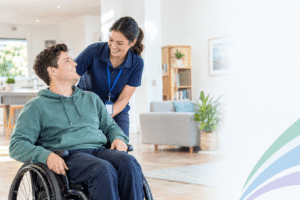
SIL is NDIS funding for help with daily living tasks in a participant’s home. Depending on individual needs, this might include personal care, cooking, household tasks, medication assistance where appropriate, and building everyday living skills.
Many people exploring Supported Independent Living Perth options want to live more independently with the right level of support around them. SIL is generally for participants who need significant ongoing support, and arrangements are shaped around the individual.
SIL pays for support, not living costs. It doesn’t cover rent, groceries or ordinary household bills.
SDA is housing designed for eligible NDIS participants with extreme functional impairment or very high support needs. These homes may include wider doorways, accessible bathrooms, ceiling hoists and home automation.
Anyone researching Specialist Disability Accommodation Perth will come across several design categories: improved liveability, fully accessible, robust, and high physical support. SDA funding relates to the building itself. It doesn’t pay for support workers or personal care.
| SIL | SDA | |
| What it is | Help with daily living | Specialist housing |
| What it funds | Eligible support services | The specially designed home |
| What it doesn’t cover | Rent, groceries, household bills | Support workers, personal care |
| Who it’s for | Participants with significant support needs | Participants with extreme functional impairment or very high support needs |
Neither is automatic. Both depend on individual needs and NDIS eligibility.
Some eligible participants can. For example, a person might live in an accessible SDA home with a ceiling hoist and a roll-in shower, while receiving SIL support with meals, personal care and community activities. The home meets their physical needs, and the support meets their daily needs.
Funding depends on personal circumstances, and not every participant will qualify for SIL, SDA or both.
SIL is about the support you receive. SDA is about the home you live in. Understanding that difference helps you ask clearer questions at planning meetings and compare options with confidence. Take your time, gather information and involve the people you trust.
Yes. SIL and SDA are separate supports. SIL can be provided in different housing arrangements, such as a rental or a home you own, depending on your needs and funding.
No. SIL covers eligible support services only. Rent, food and ordinary household bills are living costs you pay for yourself.
It’s possible in some cases. Whether SIL suits a sole-occupancy arrangement depends on your support needs, your circumstances and what the NDIS considers reasonable and necessary.
SDA is for NDIS participants with extreme functional impairment or very high support needs who meet the NDIS criteria. Eligibility is assessed individually, so check the current NDIS guidance.
Features vary by design category (improved liveability, fully accessible, robust, or high physical support). They can include wider doorways, accessible bathrooms, ceiling hoists, reinforced fittings and home automation.
SDA (the housing) and SIL (the support) are funded separately, so you can generally make choices about each. Arrangements and service agreements vary, so discuss this with your support coordinator and the providers involved.
Document your housing goals, functional needs and the supports you require, ideally with evidence from your health professionals, such as an occupational therapist. Then discuss your request with your NDIS contact. Funding isn’t guaranteed and depends on NDIS eligibility and decision-making.